
07 Jun Paving the Way to a Sustainable Tomorrow
The global energy landscape is rapidly shifting towards a sustainable future, driven by the urgent need to combat climate change and reduce dependence on fossil fuels. Renewable energies, such as solar, wind, hydro, geothermal, and bioenergy, hold the key to transforming our energy systems. With advancements in technology, supportive policies, and growing public awareness, the future of renewable energies appears bright. This book explores the potential of renewable energies, their impact on the environment, and the key factors that will shape their future growth.
Renewable energy technologies have witnessed remarkable advancements in recent years, making them more efficient, reliable, and cost-effective. Solar photovoltaic (PV) panels have become increasingly affordable, with improved efficiency and scalability. Emerging technologies, such as perovskite solar cells and thin-film solar technologies, offer even greater potential for harnessing solar energy. Moreover, energy storage solutions, such as lithium-ion batteries, are becoming more efficient and cost-competitive, addressing the intermittent nature of renewables.
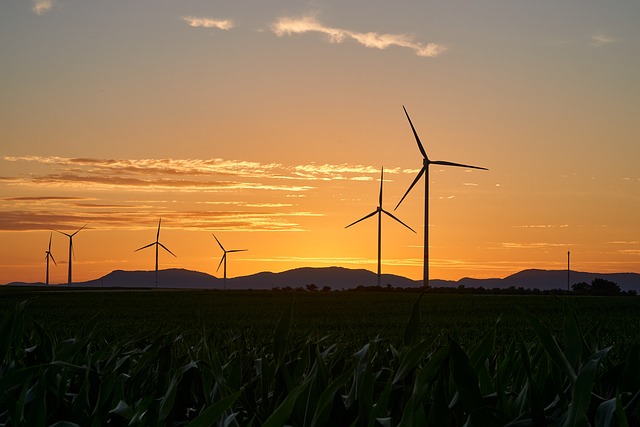
In the wind energy sector, the development of larger turbines with higher capacity factors has significantly increased energy output. Floating offshore wind farms and airborne wind turbines are promising innovations that could expand the potential for harnessing wind power. Additionally, advancements in wave and tidal energy technologies offer new avenues for clean and consistent power generation.
The integration of artificial intelligence (AI) and Internet of Things (IoT) technologies further enhances the efficiency and reliability of renewable energy systems. Smart grids, for instance, optimize energy distribution and allow for better management of intermittent power sources.
Renewable energies are central to achieving a sustainable future, as they offer numerous environmental benefits. One of the most significant advantages is their reduced greenhouse gas emissions compared to fossil fuels. By replacing coal, oil, and natural gas with renewables, we can mitigate the impacts of climate change and reduce air pollution, improving public health.
Furthermore, renewable energy sources have a smaller ecological footprint. Solar and wind farms can be built on land or offshore, without causing significant habitat destruction. Hydropower, although having certain environmental considerations, offers a reliable and controllable energy source with minimal carbon emissions. Bioenergy derived from sustainably managed biomass can contribute to carbon neutrality by reducing net carbon emissions when combined with carbon capture and storage (CCS) technologies.
Renewable energy systems also promote energy independence and security. By diversifying the energy mix, countries can reduce their reliance on imported fossil fuels, increasing their energy self-sufficiency and reducing geopolitical risks associated with resource availability and price volatility.
The future growth of renewable energies will be influenced by several key factors. First and foremost, supportive policies and regulations are crucial for fostering renewable energy deployment. Governments around the world must provide long-term incentives, such as feed-in tariffs, tax credits, and grants, to encourage investment in renewable projects. Additionally, implementing carbon pricing mechanisms and phasing out fossil fuel subsidies can create a level playing field and incentivize the transition to renewables.
Public awareness and education are vital in driving the adoption of renewable energies. As individuals become more conscious of the environmental impacts of their energy choices, they are likely to support renewable energy initiatives, both at the individual and community levels.
Technological innovation will continue to play a pivotal role. Research and development investments should focus on enhancing the efficiency and affordability of renewable technologies, as well as addressing any potential environmental concerns. Cross-sector collaborations between academia, industry, and governments can accelerate innovation and bring transformative solutions to the market.
The integration of renewable energies into existing infrastructure requires grid modernization and energy storage solutions. Investments in smart grids, interconnections, and energy storage systems will enable better integration of intermittent renewables and ensure a reliable and resilient energy supply.
The future of renewable energies is promising. Advancements in technology, coupled with supportive policies and growing public awareness, are propelling the transition towards a sustainable energy future. By harnessing the power of solar, wind, hydro, geothermal, and bioenergy, we can significantly reduce greenhouse gas emissions, mitigate climate change, and foster energy independence. To realize the full potential of renewables, continued investments in research and development, policy frameworks, and infrastructure are necessary. By embracing renewable energies, we pave the way to a greener and more sustainable tomorrow.
Roberto Sanz / President of HOPE, Hispanic Organization for a Prosperous Economy