
21 Jun A Comprehensive Exploration of the Different Types of Renewable Energies
The rapid depletion of fossil fuel reserves and the escalating concerns over climate change have necessitated a global transition towards sustainable energy sources. Renewable energies, derived from natural resources that can be naturally replenished, have emerged as a promising solution to meet our energy demands while minimizing environmental impact. I intend to provide a comprehensive overview of the various types of renewable energies that hold immense potential in reshaping our energy landscape.
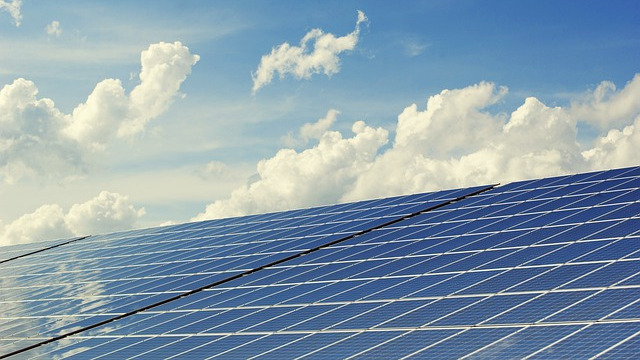
Solar energy harnesses the power of the sun, a virtually inexhaustible source of clean energy. Photovoltaic (PV) systems convert sunlight directly into electricity using solar panels. Concentrated Solar Power (CSP) technology utilizes mirrors or lenses to concentrate sunlight, generating heat that drives turbines for electricity production. Solar energy offers vast scalability, can be deployed in both centralized and decentralized systems, and has seen substantial cost reductions over the years.
Wind energy utilizes the kinetic energy of the wind to generate electricity. Large wind turbines, often installed in wind farms, convert wind power into mechanical energy, which is then converted into electrical energy through generators. Onshore and offshore wind farms have become increasingly popular due to their high energy yields, advancements in turbine technology, and decreasing costs. Wind energy is a mature technology, and its potential for expansion is significant.
Hydropower harnesses the energy of flowing water, usually rivers or dams, to generate electricity. Through turbines, the kinetic energy of the water is converted into mechanical energy and then into electrical energy. Hydropower is highly reliable and can provide baseload power. Large-scale hydropower plants can have significant environmental and social impacts, but smaller-scale projects, such as run-of-river systems, are gaining popularity due to their reduced environmental footprint.
Geothermal energy utilizes the heat generated from the Earth’s core to produce electricity and heat. Deep wells are drilled into geothermal reservoirs, and the steam or hot water extracted is used to drive turbines for electricity generation. Geothermal energy is a constant and reliable source of power, with minimal greenhouse gas emissions. Its utilization is dependent on suitable geothermal resources, primarily found in tectonically active regions.
Biomass energy involves the conversion of organic matter, such as agricultural waste, forest residues, or dedicated energy crops, into heat or electricity. Biomass can be combusted directly, used to produce biogas through anaerobic digestion, or converted into biofuels. Biomass is considered carbon-neutral since the carbon dioxide released during combustion is offset by the carbon dioxide absorbed during plant growth. However, sustainable sourcing and efficient conversion technologies are crucial to minimize environmental impacts.
Tidal energy harnesses the gravitational forces of the moon and the sun to generate electricity from the ebb and flow of tides. Tidal barrages, which use large dams to trap water during high tides and release it through turbines during low tides, and tidal turbines placed underwater are the two primary methods of tidal energy generation. Tidal energy is predictable and highly reliable, but its utilization is currently limited to specific coastal areas with significant tidal variations.
Wave energy converts the kinetic energy of ocean waves into electricity. Various technologies, such as oscillating water columns, point absorbers, and attenuators, capture wave energy and convert it into mechanical or electrical power. Wave energy has enormous potential, but its commercial viability is still being developed, as it faces challenges related to technological reliability, high costs, and environmental impacts.
The world is at a crucial juncture in the pursuit of sustainable energy solutions. Renewable energies offer a promising alternative to fossil fuels, providing clean, abundant, and diversified sources of power. Solar energy, wind energy, hydropower, geothermal energy, biomass energy, tidal energy, and wave energy represent different pathways towards a sustainable future. A comprehensive and integrated approach, combining multiple renewable energy sources, is key to achieving a resilient and decarbonized energy system. With continued technological advancements, supportive policies, and public awareness, renewable energies can play a transformative role in securing a greener and more sustainable world.
Roberto Sanz / President of HOPE, Hispanic Organization for a Prosperous Economy