
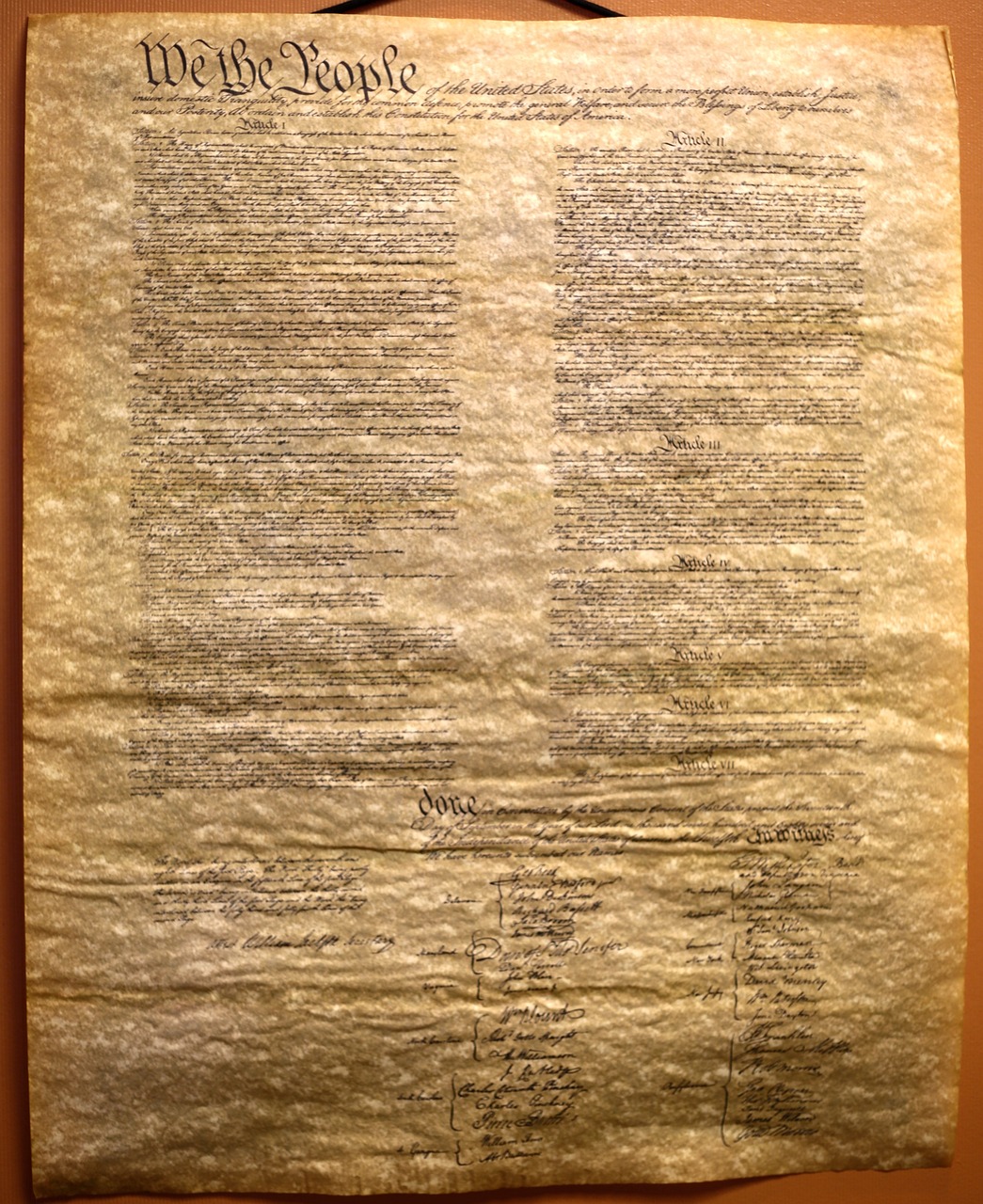
14 Feb Free trade in the Constitution of the United States
The concept of «free commerce» is tacitly addressed in various sections of the United States Constitution, including Article I, Section 8, which gives Congress the authority to regulate commerce among the states. The Supreme Court has interpreted this section, popularly known as the Commerce section, to allow for the regulation of interstate commerce to maintain its free flow and to prevent states from implementing laws that unreasonably restrict or block interstate trade.
Furthermore, the Dormant Commerce Clause argument holds that states are prohibited from constructing trade barriers among themselves under the Constitution. This principle, while not officially mentioned in the Constitution, has been deduced from its wording and supported by the courts to bar states from implementing laws that discriminate against or impose an undue burden on interstate commerce.
Furthermore, the Constitution creates a framework for a national economy that supports free enterprise and competition by protecting private property rights and contracts, as well as establishing a federal judiciary to resolve commercial transaction disputes. These clauses jointly contribute to the protection and promotion of free trade in the United States.
Let’s take a closer look at how the United States Constitution addresses the issue of free commerce:
Commerce Clause (Article I, Section 8): This provision gives Congress the authority to regulate commerce among the states, with foreign nations, and with Native American tribes. It is the primary constitutional jurisdiction for government control of interstate trade. The Supreme Court has read this provision liberally, granting Congress extensive authority to regulate different elements of interstate commerce in order to preserve its free flow and address issues such as unfair competition, monopolization, and discrimination.
Dormant Commerce Clause: Although not officially stated in the Constitution, the Dormant Commerce Clause concept is based on the Commerce Clause. It forbids states from enacting laws that impose undue burdens or discriminate against interstate commerce, even in the absence of federal legislation. This concept assures that states cannot impose protectionism that impedes the free flow of goods and services across state borders.
The Privileges and Immunities Clause (Article IV, Section 2): This paragraph prevents governments from discriminating against citizens of other states in terms of fundamental rights and privileges, including economic activities such as commerce and employment. It reinforces the concept of free commerce by prohibiting states from preferring their own people over out-of-state citizens in economic transaction.
Contracts Clause (Article 1, Section 10): The Contracts Clause bans states from undermining the obligation of contracts. By protecting contractual agreements, this provision fosters certainty and stability in business transactions, establishing a climate conducive to free trade by assuring that parties can rely on the execution of their contractual rights.
Judicial Structure and Protection of Property Rights: The Constitution establishes a federal court, including the Supreme Court, to handle commercial transaction disputes as well as interpret and enforce commerce-related statutes. The judiciary’s protection of property rights and enforcement of contracts promotes free commerce by giving individuals and enterprises with legal redress in the case of a dispute or breach.
Overall, the United States Constitution establishes a framework that promotes free commerce by granting Congress the authority to regulate interstate commerce, prohibiting states from erecting trade barriers, protecting individuals’ and businesses’ rights to engage in commercial activities, and providing a system of judicial review to ensure the enforcement of commerce-related laws. These constitutional provisions collectively help to foster a healthy and dynamic national economy based on free enterprise and competition.
Roberto Sanz / President of HOPE, Hispanic Organization for a Prosperous Economy