
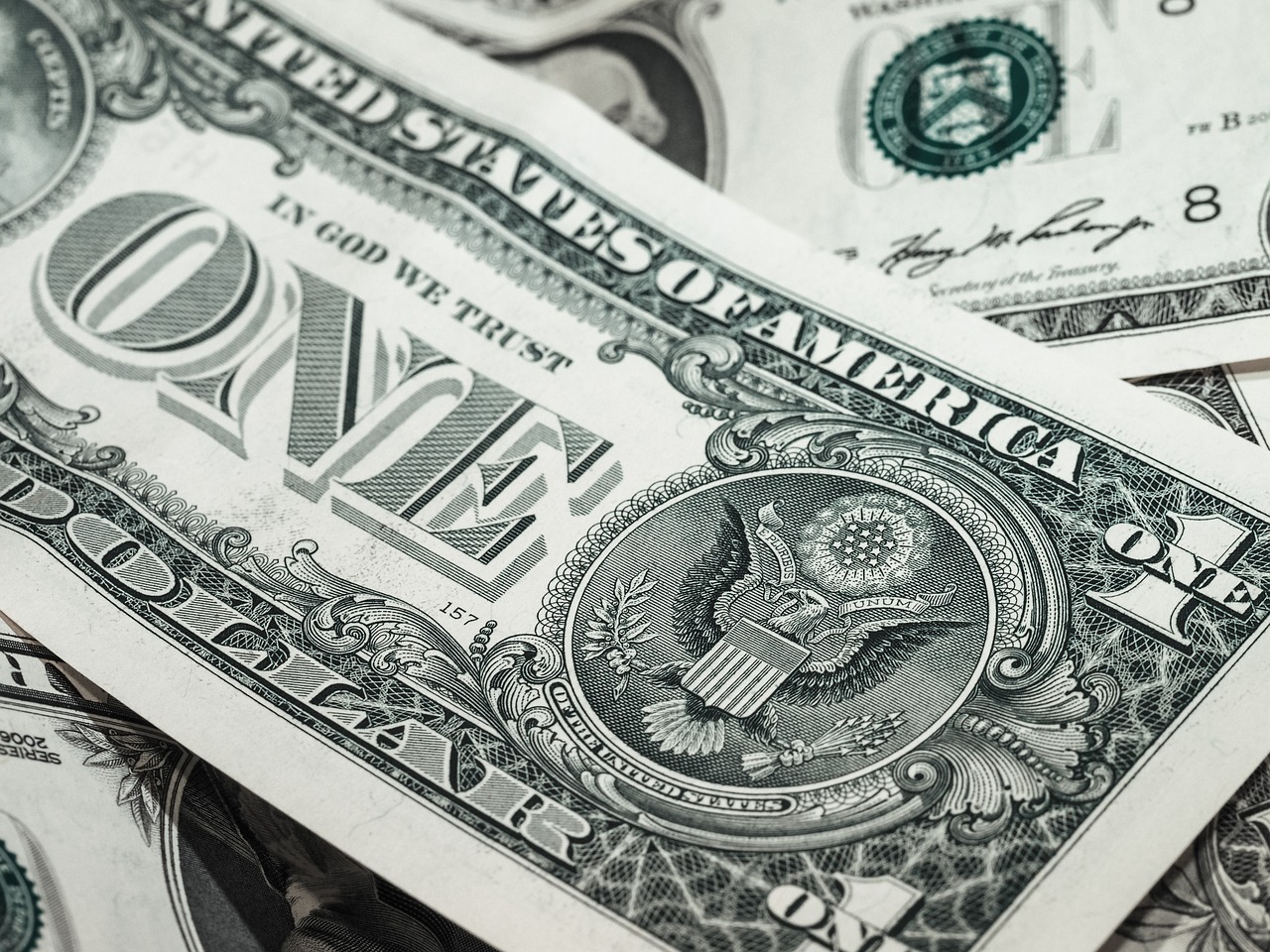
07 Ago The dollar as the reference currency in the world.
The U.S. dollar holds a unique and dominant position in the global economy as the world’s primary reference currency, also known as the world’s reserve currency. This status provides several significant benefits to the United States, which are rooted in historical, economic, and geopolitical factors.
The U.S. dollar’s ascendancy as the world’s reserve currency began after World War II with the establishment of the Bretton Woods system in 1944. This system pegged major currencies to the dollar, which was, in turn, convertible to gold. Even after the collapse of the Bretton Woods system in 1971, the dollar maintained its central role in global finance due to the size and stability of the U.S. economy, the depth and liquidity of its financial markets, and the trust in its institutions.
As the issuer of the world’s reserve currency, the U.S. can borrow at lower interest rates than other countries. Global demand for dollar-denominated assets, particularly U.S. Treasury bonds, keeps interest rates relatively low, reducing the cost of financing government debt.
Many international transactions, particularly in commodities like oil and gold, are conducted in dollars. This reduces transaction costs for U.S. businesses and provides them with a competitive edge. Additionally, U.S. companies face less exchange rate risk in their international transactions.
The U.S. benefits from seigniorage, which is the profit made by issuing currency. Because other countries hold vast amounts of dollars in their reserves, the U.S. essentially enjoys an interest-free loan, as it costs less to produce the currency than its actual value.
The U.S. attracts a substantial amount of foreign investment, as the dollar is considered a safe-haven currency. This inflow of capital supports the stock market, real estate, and other sectors of the economy, contributing to economic growth and stability.
The demand for dollars gives the U.S. more flexibility in its monetary policy. The Federal Reserve can implement policies aimed at stimulating the domestic economy without immediate concerns about the value of the dollar dropping significantly.
The dollar’s dominance gives the U.S. considerable geopolitical leverage. The ability to impose financial sanctions by restricting access to the dollar system is a powerful tool of foreign policy. Countries and businesses around the world need access to dollars for international trade and finance, which reinforces U.S. influence.
Global reliance on the dollar contributes to international economic stability, which in turn benefits the U.S. A stable global economy supports American economic interests, reduces the risk of financial crises, and promotes a more predictable international environment.
During periods of global financial instability, the demand for dollars typically increases, as investors seek safe-haven assets. This flight to quality ensures that the U.S. has access to liquidity even during economic downturns, helping to stabilize the domestic economy.
The U.S. dollar’s status as the world’s reference currency brings a multitude of benefits to the United States, from economic and financial advantages to geopolitical leverage. This privileged position supports lower borrowing costs, facilitates international trade, attracts foreign investment, and enhances the U.S.’s ability to influence global economic and political affairs. However, maintaining this status requires the U.S. to continue fostering a stable, transparent, and robust economic and financial system.
Roberto Sanz / President of HOPE, Hispanic Organization for a Prosperous Economy